Culture & Leisure
Culture and leisure shape how we understand the world, express ourselves, and find joy in daily life. Yet modern cultural participation has become increasingly complex. We face information overload when choosing what to watch, algorithmic bubbles that limit our perspectives, ticket pricing that seems designed to exclude, and endless entertainment options that paradoxically leave us paralyzed. At the same time, opportunities have never been more abundant for those who know where to look and how to navigate the landscape.
This comprehensive resource addresses the core challenges and opportunities across six essential domains: developing critical media literacy, creating a thoughtful home environment, accessing live culture affordably, mastering festival experiences, beginning an art collection, and conquering entertainment decision fatigue. Whether you’re learning to verify viral images, hunting for rush tickets, or choosing your first artwork, the principles remain consistent—informed choices amplify both access and enjoyment.
Developing Media Literacy in the Digital Age
The information ecosystem has fundamentally transformed. We consume more media in a single day than previous generations encountered in weeks, yet the mechanisms shaping what we see remain largely invisible. Media literacy is no longer optional—it’s essential infrastructure for participating in cultural and civic life.
Verifying Information Sources
Before sharing or internalizing any claim, apply the three-source principle: can you find corroboration from three independent, credible outlets? This simple filter eliminates most misinformation. For images and videos, reverse image searches reveal context and original sources. Check upload dates—viral content often resurfaces years later attached to false narratives. Examine metadata when available, and watch for telltale signs of manipulation like inconsistent lighting, unnatural edges, or audio-visual sync issues.
Learn to distinguish between news organizations with editorial standards and content mills optimized purely for engagement. Credible outlets employ fact-checkers, issue corrections, and maintain transparency about sources. They differentiate between reporting and opinion, clearly labeling each. When a claim seems designed primarily to trigger emotional response—outrage, fear, or tribal loyalty—that’s your cue to verify before reacting.
Managing Your Media Diet
Just as nutritionists recommend balanced eating, a healthy media diet requires intentional curation. Algorithmic bias creates filter bubbles that reinforce existing beliefs while hiding contradictory perspectives. Counter this by deliberately seeking sources across the political and cultural spectrum. Set specific times for news consumption rather than grazing continuously throughout the day.
The viral outrage cycle thrives on your participation. Stories engineered to provoke sharing spread further and faster than nuanced analysis. Before amplifying content, pause to ask: “Am I sharing this because it’s important, or because it validates my existing worldview?” Building resistance to manufactured outrage protects both your mental health and the broader information ecosystem.
Building a Thoughtful Home Environment
Your living space functions as both personal sanctuary and cultural expression. The objects you choose, how you care for them, and the stories they carry shape your daily experience in ways both subtle and profound.
Choosing Sustainable and Timeless Pieces
Fast furniture follows the same exploitative model as fast fashion—cheap materials, trend-driven designs, and planned obsolescence. The alternative isn’t necessarily expensive. Timeless design prioritizes clean lines, quality materials, and versatility over trendy colors or gimmicky features. A well-made wooden chair costs more initially but lasts decades and can be refinished, while particle board alternatives disintegrate within years.
When evaluating textiles like rugs, knot density reveals quality and durability. Hand-knotted pieces with higher knot counts (measured in knots per square inch) show finer detail and withstand wear better than machine-made alternatives. Regional styles—from Persian to Moroccan to Scandinavian—carry distinct aesthetic languages. Understanding these traditions helps you make choices that resonate personally rather than following fleeting Instagram trends.
Caring for Textiles and Materials
Proper maintenance extends the life of quality pieces dramatically. Delicate textiles require specific approaches: vacuum with appropriate attachments rather than beating, rotate pieces to distribute wear, and address spills immediately with blotting rather than rubbing. UV damage fades fabrics irreversibly—use window treatments or UV-filtering glass in sunny exposures.
When negotiating prices for vintage or handmade pieces, do your research first. Know the fair market range, inspect thoroughly for damage, and make respectful offers based on condition and comparable sales. Skilled artisans and dealers appreciate informed buyers who understand value beyond mere aesthetics.
Accessing Live Culture Without Breaking the Bank
Theater, concerts, dance, and opera enrich communities and individual lives, yet ticket prices increasingly restrict access to wealthy audiences. This isn’t inevitable. Multiple strategies exist for experiencing world-class performances affordably, if you understand how ticketing systems actually work.
Rush Tickets and Lottery Systems
Rush policies vary significantly by venue and production. Some release unsold tickets at steep discounts an hour before curtain, while others offer standing room or restricted-view seats at reduced prices. Digital lotteries have largely replaced physical queues—you enter online during a specified window, and winners receive purchase opportunities. Each system has optimal strategies: for in-person rushes, arriving early matters, but you need to know whether queuing overnight is customary or prohibited at your specific venue.
Student, senior, and accessibility discounts often aren’t advertised prominently. Ask directly about available programs. Many cultural institutions also participate in community access initiatives that aren’t marketed broadly but offer substantial savings to eligible participants.
Understanding Seat Value and Avoiding Scams
Not all expensive seats deliver proportional value. In many theaters, mid-orchestra or front mezzanine sections offer superior sightlines to premium front rows, where neck strain diminishes enjoyment. Compare seat views using venue charts and audience reviews before purchasing—acoustics and angles matter more than proximity alone.
The secondary market offers both opportunities and risks. Official resale platforms provide buyer protection, while scalpers and unauthorized sites frequently sell fraudulent tickets or charge hidden fees. If a deal seems impossibly good, it probably is. Stick to verified sellers, and never purchase from individuals approaching you outside venues—these transactions almost always end poorly.
Mastering the Festival Experience
Multi-day music and cultural festivals create immersive experiences unlike any other cultural format. They also present unique logistical challenges. First-timers often focus exclusively on the lineup while underestimating the physical and practical demands of outdoor camping events.
Planning Your Camping Setup
Accommodation tiers range from basic camping to glamping packages with pre-erected tents and real beds. Your choice should honestly reflect your comfort needs and camping experience. There’s no shame in paying for upgraded options if that’s what allows you to actually enjoy the music rather than suffering through sleepless nights. That said, basic camping works perfectly well with proper preparation.
Timing matters significantly. Arriving early secures better camping spots—typically flatter ground, closer to amenities, and farther from late-night noise zones. Noise pollution is inevitable at festivals, but strategic positioning and quality earplugs make it manageable. Shower facilities face peak demand at predictable times; going mid-afternoon or late evening dramatically reduces wait times.
Health and Hygiene Essentials
Pack a comprehensive hygiene kit: wet wipes, hand sanitizer, toilet paper, sunscreen, and any prescription medications plus backups. Dehydration and heat exhaustion account for most medical emergencies at outdoor events. Establish a hydration routine—drink water consistently rather than waiting until you feel thirsty. Know where medical tents are located, and don’t hesitate to seek help for concerning symptoms.
Create a realistic packing list based on weather forecasts and venue-specific rules. Banned items vary significantly between festivals. Most prohibit glass, professional cameras, and outside food, but exceptions exist. Check official guidelines rather than assuming, and prepare for weather extremes—conditions can shift dramatically over multi-day events.
Starting Your Art Collection Journey
Art collecting intimidates many potential enthusiasts who imagine it requires wealth, expertise, or exclusive access. In reality, meaningful collecting begins modestly, driven by genuine appreciation rather than investment calculations. The barrier is psychological more than financial.
Finding Affordable Entry Points
Graduate shows at art schools offer extraordinary opportunities to acquire works by emerging artists at accessible prices. These artists are developing their voices and building careers—your early support matters both financially and psychologically to them. Similarly, local galleries often feature early and mid-career artists whose work costs hundreds rather than thousands.
Prints, photographs, and works on paper provide affordable access to established artists. An original print from a respected printmaker costs a fraction of their paintings while maintaining artistic integrity. Different mediums carry different price points—compare sculpture, painting, photography, and works on paper to find the intersection of your aesthetic preferences and budget constraints.
Understanding Value and Preservation
If you care about investment potential, focus on quality over quantity, buy from artists with consistent exhibition records and critical attention, and keep impeccable provenance documentation. That said, most collectors find greater satisfaction buying work they genuinely love rather than speculating on financial appreciation.
Proper preservation protects your investment and the artwork itself. Control environmental factors: avoid direct sunlight, maintain stable temperature and humidity, and use archival-quality framing materials. Preservation errors like acidic matting or adhesive mounting can damage works irreversibly. Consult professional framers for valuable pieces, and photograph your collection for insurance purposes.
Overcoming Entertainment Decision Fatigue
Streaming platforms offer thousands of options. The result? Many people spend more time browsing than watching, paralyzed by choice and fear of making the “wrong” selection. This decision fatigue robs leisure time of its restorative purpose.
Combat analysis paralysis by establishing simple decision frameworks. Limit browsing to ten minutes maximum, then commit to whatever seems most appealing. Create tiered watchlists categorizing options by mood, time available, and viewing companions. When friends recommend something, add it immediately to bypass endless searching later.
Niche aggregators and curated recommendation services cut through algorithmic noise. Letterboxd for film, Goodreads for books, and specialized blogs for music often surface better recommendations than platform algorithms optimized for engagement over satisfaction. Rating systems provide useful filters, but learn to interpret them—understand the difference between critic consensus and audience scores, and identify reviewers whose taste aligns with yours.
Develop strategies for avoiding spoilers without avoiding cultural participation entirely. Mute relevant keywords on social media during release windows for properties you care about. Skim reviews for tone and themes without reading specific plot details. Maintain flexible watchlists that accommodate both timely viewing and patient waiting until the conversation quiets.
Cultural participation enriches life when approached with intention rather than passive consumption. The skills outlined here—critical evaluation, strategic access, thoughtful curation, and practical preparation—transform culture and leisure from overwhelming obligations into genuine sources of joy, growth, and connection. Start with whichever domain speaks most urgently to your current needs, and build outward from there.

How to Stop “Doom Scrolling” Netflix and Actually Pick a Movie in 5 Minutes
In summary: Treat movie selection as an active curation system, not a passive browse, to eliminate decision fatigue. Use niche apps and specific filters (mood, runtime) to bypass overwhelming platform libraries. Clean your watchlist with a ruthless Kanban system and…
Read more
How to Start an Art Collection with a $500 Budget?
The secret to starting an art collection on a budget is to shift your mindset from finding cheap decor to identifying early value signals in emerging art. Limited edition prints and works on paper are strategic, asset-class entry points, not…
Read more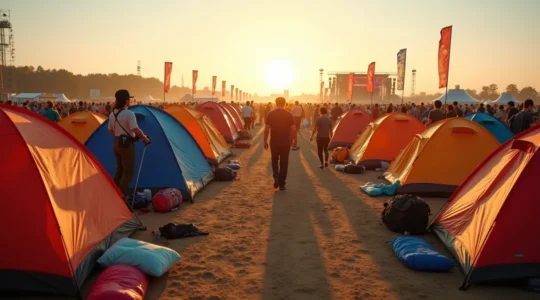
How to Survive Camping at a Music Festival for 3 Days?
Surviving a festival isn’t about the gear you bring, but the survival systems you master before you even leave home. Sleep is a tactical operation, not a luxury. Your primary enemy is your neighbors, not the main stage. Hydration is…
Read more
How to Get Cheap Front-Row Tickets to Sold-Out Theater Plays?
Getting front-row seats for a sold-out show isn’t about luck; it’s about playing the ticketing game smarter than everyone else by understanding the theater’s hidden operational logic. Theaters release cheap day-of-show tickets not as a gift, but as a calculated…
Read more
The Appraiser’s Eye: How to Identify Authentic Vintage Rugs and Spot Fakes Online
Contrary to popular belief, a high knot count is not the ultimate sign of a valuable vintage rug; the quality and life within the wool itself is the true measure of a lasting investment. Authentic, hand-spun “living wool” contains natural…
Read more
How to Spot Fake News: A Digital Investigator’s Guide to Verifying Sources
Spotting fake news isn’t about checklists; it’s about understanding how your own emotions are weaponized by an attention-driven economy. Social media algorithms create “filter bubbles” that reinforce your existing beliefs, making you more susceptible to tailored misinformation. Content designed to…
Read more